
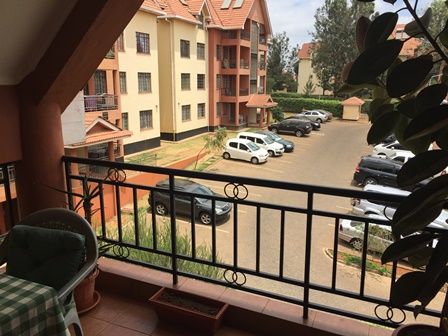

This is the administration of residential, commercial and/or industrial real estate. Property management typically involves the managing of property that is owned by another party or entity. The property manager acts on behalf of the owner to preserve the value of the property while generating income. Managed properties include residential and commercial retail space or industrial warehouse space, among others. Property managers are typically paid a fee which in Kenya is a percentage of the gross collections from the property while under management, commonly refered to as management commission. This fee is stipulated under the Estate Agents Act Cap. 533 Laws of Kenya. Property management is also the management of personal property, equipment, tooling and physical capital assets that are acquired and used to build, repair and maintain end item deliverables. Property management involves the processes, systems and manpower required to manage the life cycle of all acquired property as defined above including acquisition, control, accountability, responsibility, maintenance, utilization and disposition.
Land is a scarce resource and its supply is limited. Land can change its use to increase supply in the short-term but in the long-term it is fixed. The stock of available land can be increased through expensive projects such as land reclamation or the possibilities of extra-terrestrial colonization, but the effect of these on the overall supply of land is marginal.